
Recovering After a Traumatic or Difficult Birth
How Common Is This?
Birth doesn’t always go to plan. In 2023, 41% of Australian births were by caesarean section, and many others involved instrumental delivery (forceps or vacuum), episiotomy, perineal tearing, or a longer and more physically demanding labour than expected. Pelvic girdle pain affects an estimated 44% of Australian women during pregnancy, and for many, pain and physical changes continue well into the postpartum period.
Does This Sound Like You?
- Ongoing low back or pelvic pain since giving birth
- Pain or stiffness when sitting, standing, or walking for long periods
- Discomfort bending, lifting, or carrying your baby
- Pain around a caesarean or perineal scar
- A sense that your body “isn’t quite right” since birth
- Fatigue compounded by disrupted sleep and physical discomfort
What Can Contribute to a Difficult or Traumatic Birth
A range of factors can make birth more physically demanding, including caesarean section, instrumental delivery, episiotomy or perineal tearing, a long or fast-progressing labour, or complications during delivery. These experiences are common, and the physical recovery afterward is often underestimated.
How Chiropractic Care Can Help
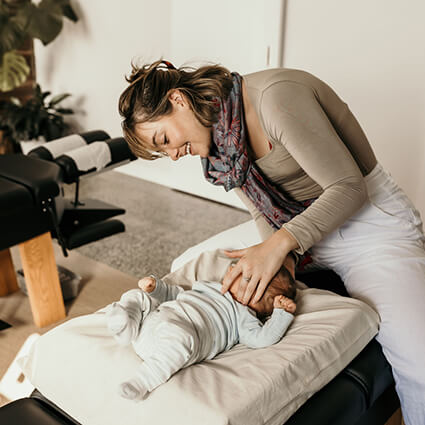
Chiropractic care is commonly used to help manage postnatal musculoskeletal pain, including low back pain and pelvic girdle pain, which affects a large proportion of women during and after pregnancy. Gentle, postnatal-specific techniques can help support pain reduction and improved movement as your body recovers, as part of your broader postpartum care.
Chiropractic care is commonly used, alongside other postnatal care, to help manage this kind of musculoskeletal pain. A postnatal assessment typically looks at your posture, pelvic alignment, and movement patterns to identify where restriction or strain may be contributing to your discomfort. From there, care usually involves:
- Gentle, postnatal-appropriate adjusting techniques suited to your recovery stage
- Assessment and care for the low back, pelvis, hips and spinal health
- Guidance on movement, posture, and positioning for everyday tasks like feeding, carrying your baby and return to your new life
- A tailored plan that adapts as your body continues to recover over the weeks and months after birth
